

Hydrogen plays a pivotal role in Abu Dhabi's vision for a diversified, low-carbon economy, leveraging its solar abundance and strategic policies to transition from oil dependency. Through initiatives like the Low Carbon Hydrogen Policy and partnerships with Masdar, the emirate aims to produce over 1 million tonnes of low-carbon hydrogen annually by 2030, fueling industries, exports, and global decarbonization.
Strategic Policies
Abu Dhabi's Department of Energy launched a comprehensive Low Carbon Hydrogen Policy in 2021, defining regulations, standards, and certifications to make the emirate globally competitive in green and blue hydrogen production. This framework supports the UAE National Hydrogen Strategy 2050, targeting 1.4 million tonnes annually by 2031 via hydrogen "oases" or hubs that optimize costs and efficiency.
Key Projects and Partnerships
Masdar leads green hydrogen efforts, including a pilot with EMSTEEL producing green steel—the first in the MENA region—using certified renewable hydrogen to cut steelmaking emissions by up to 95%. Collaborations like Masdar with AD Ports Group explore a KEZAD hydrogen hub for domestic use and exports, while ADNOC scales blue hydrogen through carbon capture, and partnerships with Siemens Energy and HYCAP build electrolysis plants and storage.
Economic and Sustainability Impact
These developments drive economic diversification, job creation, and foreign investment, aligning with UAE Net Zero 2050 and Energy Strategy goals. Hydrogen supports hard-to-abate sectors like aviation, shipping, and steel, enhances energy security, and positions Abu Dhabi as a top-10 global green hydrogen producer by 2031, with hubs in Ruwais and KEZAD.
Global Leadership
By hosting the Green Hydrogen Summit during Abu Dhabi Sustainability Week 2025 and fostering international alliances, the emirate accelerates innovation in clean fuels and e-kerosene. This positions Abu Dhabi at the forefront of resilient energy systems, exporting derivatives to meet rising global demand projected to reduce emissions by 20% by 2050.
Hydrogen’s Role In A Cleaner, More Resilient Energy System
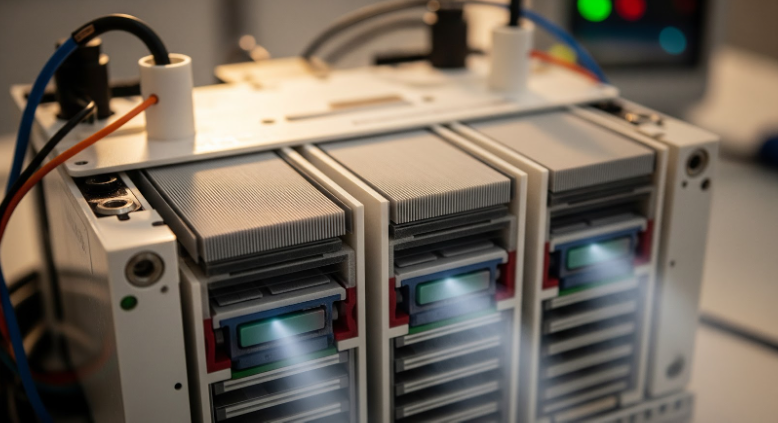
Hydrogen energy matters because it gives industries a way to cut emissions without slowing operations. It can supply clean power for planes, ships, trucks, steel factories, and other sectors that cannot easily switch to electricity.
As global demand grows, countries are competing to become trusted producers and exporters of low-carbon hydrogen. The UAE recognizes the opportunity. It views hydrogen as part of the next major chapter of its clean-energy economy, right alongside solar and advanced mobility solutions.
Investing in hydrogen today lets businesses enter the market at the ideal time for growth.
Why Abu Dhabi Is Building Hydrogen Leadership
The UAE has already committed to a net-zero future, and Abu Dhabi plays a central role in turning it into reality. This city has the financial strength, infrastructure, and policy support needed to help new energy technologies take root.
Locating in the capital means:
- You operate in a stable and transparent environment
- You work close to government decision-makers
- You reach fast-growing markets in the region and beyond
Abu Dhabi is not experimenting, but is planning for hydrogen to become a long-term contributor to economic growth.
How Free Zones Make It Easier To Build Hydrogen Businesses
Hydrogen innovators move faster when the framework supports them. Free Zones in Abu Dhabi remove common barriers by offering:
- Full business ownership
- Clear licensing pathways
- Simple incorporation and visa processes
- Strong logistics and connectivity
These aren’t small advantages. They determine whether a company can turn an idea into a commercial operation. Entrepreneurs gain the confidence that their investment will grow into something meaningful through real-world deployment and demand.
If you want to explore how government-backed policies create momentum for projects like hydrogen pilots and advanced industrial activities, visit Abu Dhabi Government Initiatives.
A Clean-Energy Home With A Community Built For Progress
Hydrogen will require collaboration between technology creators, research partners, and policy specialists. That’s where Masdar City Free Zone offers something different.
Teams operate inside a district designed for environmental accountability and new thinking, offering:
- Smart buildings that save energy right from the foundation
- Clean mobility supporting low-emission operations
- An energy cluster that connects like-minded experts
- A hub where world-leading organizations are already active
Close proximity to partners speeds up work, spreads ideas quickly, eases testing, and makes building teams and partnerships natural.
This is the kind of surrounding that turns clean-energy conversations into real action.
Looking Ahead: Momentum Into 2026 And Beyond
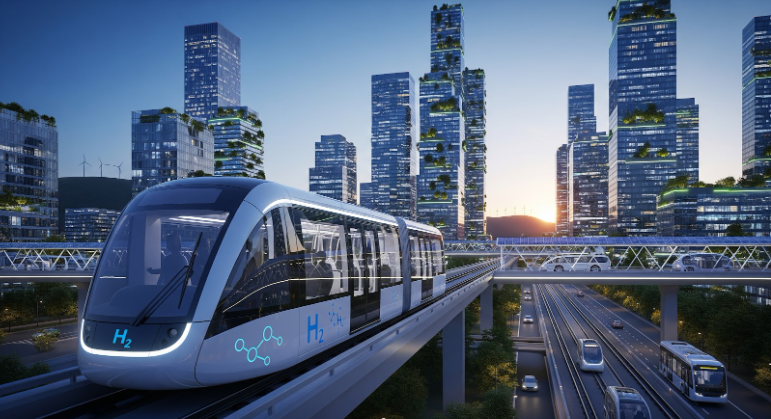
Every country will need low-carbon hydrogen in the years ahead. Demand is rising in heavy transport, industrial manufacturing, and major infrastructure projects.
This creates a unique opportunity for the UAE to:
- Build expertise from the start
- Drive regional hydrogen development
- Establish itself as a trusted global partner
Abu Dhabi is building for the long term, envisioning a future where hydrogen fuels economic diversity and energy resilience. Free Zones will be part of that development from the start, helping founders focus on innovation rather than administration.
You Can Help Shape The UAE’s Future Energy Vision
Hydrogen represents a new economy taking form. If your business can contribute to clean power, better efficiency, or new hydrogen technologies, there is a place for you here. The work you do today could fuel industries for decades.
If you are exploring how your hydrogen vision fits into Abu Dhabi’s clean-energy landscape, we can guide you through next steps and practical options. You can get in touch with our team when you are ready to talk.
Together, we can help create an energy system that future generations rely on.